
Key takeaways:
- Buying an EV charger is easy, but installing it requires checking your electrical panel first.
- Most homeowners in New Jersey will need a load calculation to confirm capacity before adding Level 2 charging to their home.
- Permits and inspections are required in New Jersey, and licensed installation is important for safety and to access rebates.
- JAXSL provides safe and code-compliant EV charger installation in New Jersey with full panel inspections and load calculations.
Is your home ready for EV charging? Ordering a charger as soon as you get your EV is tempting, but you should know that your home’s electrical system might require a few upgrades first.
Besides making sure your electrical panel has enough capacity, you also need an EV charging installation that complies with New Jersey codes and a setup that can handle future load demands.
At JAXSL, we often see homeowners buy their EV chargers without taking their electrical infrastructure into consideration. Here’s how to plan for your EV charger installation project.
Level 1 vs. Level 2 Chargers: What’s the Difference?
If you have an electric vehicle, you already know your charging method can have a huge impact on how long it takes to get a full battery.
Level 1 charging uses a standard 120V outlet that exists in most garages and homes. While it works, it can take more than 20 hours to fully charge an EV battery. This charging method is fine for plug-in hybrid cars or drivers who travel short daily distances, but it’s a frustrating experience if you drive more than a few miles a day.
Most EV owners use Level 2 charging instead. These chargers use a dedicated 240V circuit, and give you much faster charging, often allowing for a full charge in 4 to 10 hours. Unlike Level 1 charging, a Level 2 charger need a professional installation and potential upgrades to your panel and circuits.
Can Your Panel Handle EV Charging? How Load Capacity Works
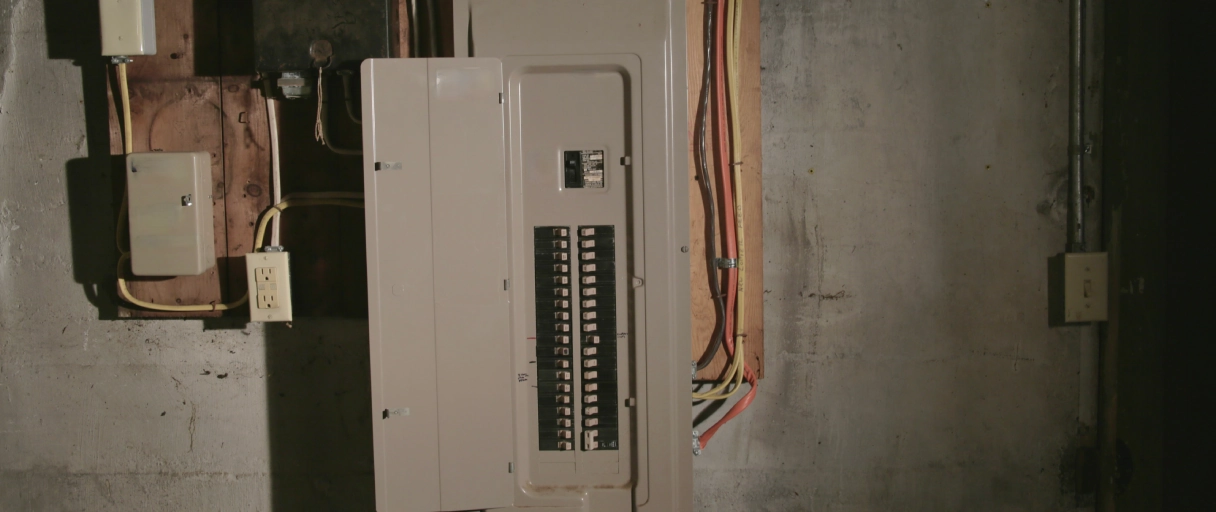
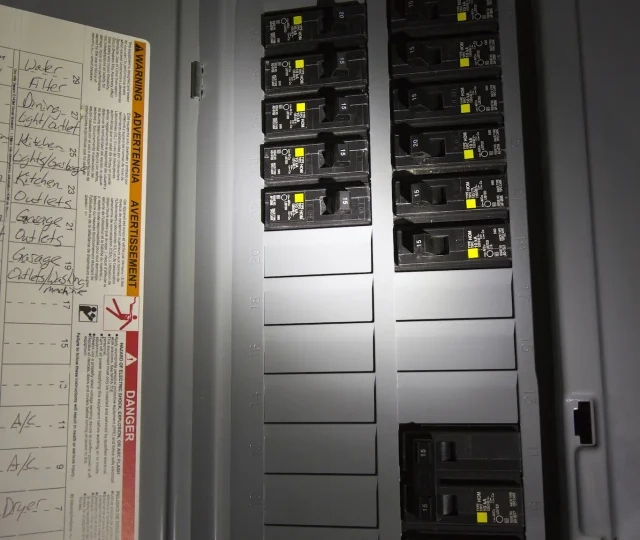
Your home’s electrical system draws energy through a main panel. Depending on its rating, this panel can only handle so much power at once. This limitation, known as load capacity, is measured in amps and matters when adding a 240V EV charger to your home.
Many older homes in New Jersey still run on 100-amp panels. That was fine when homes had fewer high-demand appliances, but when adding an EV charger on top of central air, an electric water heater and kitchen equipment will likely exceed 100 amps. When that happens, breakers will trip, circuits will overload and the risk of fire increases.
EV Charger Installation Permits, Codes and Why DIY Is Not Worth It
Before you install a Level 2 charger, you’ll have to get a permit from your New Jersey township or city. You’ll also need to schedule an installation with your local building department after the installation. These steps confirm that the work meets the 2020 National Electrical Code (NEC) standard in effect in New Jersey.
The NEC covers things like wiring methods, overcurrent protection and grounding. For a safe and code-compliant installation, your EV charger will need to use safe breaker sizes and correct load distribution.
New Jersey is still using the 2020 version of the NEC, but the state will likely switch to the 2023 edition in the near future. It’s smart to have a licensed installer align with these updated requirements so you don’t have to upgrade your installation once the 2023 NEC goes into effect. JAXSL already designs installations with the newer standards in mind so your system is ready for future compliance changes.
There are other reasons not to cut corners:
- Most utility rebate programs in New Jersey require licensed installation and official inspection paperwork.
- DIY wiring could void manufacturer warranties on the charger you purchase.
- Homes with unpermitted work may face insurance issues and complications during resale.
When you hire JAXSL, our team handles permits and inspections. We also coordinate with your utility if you need a panel upgrade or a new service line. This approach saves you time and ensures nothing slips through the cracks.
What JAXSL Recommends for Your EV Charger
Every home is different, so we start every EV charger installation with a thorough review of your electrical system. Once we know what your panel capacity is, we can recommend the best charger setup.
Here’s what we focus on:
- Smart Level 2 chargers adapted to your EV charging specs and your panel capacity.
- A custom installation plan that fits your daily charging needs, your vehicle type, and your budget.
- Full load calculations and panel inspections to confirm safety before connecting any new line.
- Future-ready setups that allow for upgrades. If you purchase a second EV or need faster charging later, the system can adapt.
We also pay close attention to New Jersey-specific conditions. Many homes, especially older single-family houses, still use smaller panels. We often recommend upgrading to a 200-amp panel that New Jersey homeowners can rely on for high-demand applications. This investment boosts the value of your home and allows you to add more appliances in the future, whether it’s a second EV charger or a new HVAC system.
Don’t Get Stuck at Half-Charge: Get the Right EV Charger Install from the Start
An EV charger is only as good as the system that powers it. Too many homeowners discover problems after installing their charger because they failed to plan the project properly. It means wasted money, risky setup, and frustration in dealing with city or township inspectors.
At JAXSL, we believe the right EV charger installation starts with a review of your electrical infrastructure. We’ll look at your electrical load capacity, check compliance with New Jersey codes, handle permits, and create a customized installation plan.
Give us a call today at 844-452-9538 or contact us to schedule your EV charger consultation.
FAQ
What is the difference between Level 1 and Level 2 charging?
Level 1 uses a standard 120V outlet and may take more than 20 hours for a full charge. Level 2 requires a dedicated 240V circuit and typically charges an EV in 4 to 6 hours.
Do I need a 200-amp panel in NJ for an EV charger?
Not always, but many older New Jersey homes with 100-amp panels cannot handle the added load. A load calculation determines if you need an upgrade based on your total energy use.
Can I install an EV charger myself?
Technically, you could, but it would not pass inspection without a permit. NJ requires licensed installation for compliance, safety and to qualify for rebates.
What is included in a load calculation?
It reviews the total electrical demand from appliances, heating, cooling, lighting, and new circuits like EV chargers. This ensures your system can manage the load safely.