Key takeaways
- Generators keep your essentials running through New Jersey’s frequent outages.
- Your energy needs, fuel access, and comfort priorities determine which generator fits your lifestyle.
- Proper installation and routine care make your generator both safer and more reliable long term.
New Jersey weather is notoriously unpredictable. And that could mean disruptions in your electrical system.
A backup generator in New Jersey provides your home with the option to continue running when the grid experiences an outage.
A Backup Generator in New Jersey Protects Your Daily Routine
Whether you’re in a shore town, up in North Jersey, or tucked somewhere in the middle, you’ve probably dealt with your fair share of power disruptions.
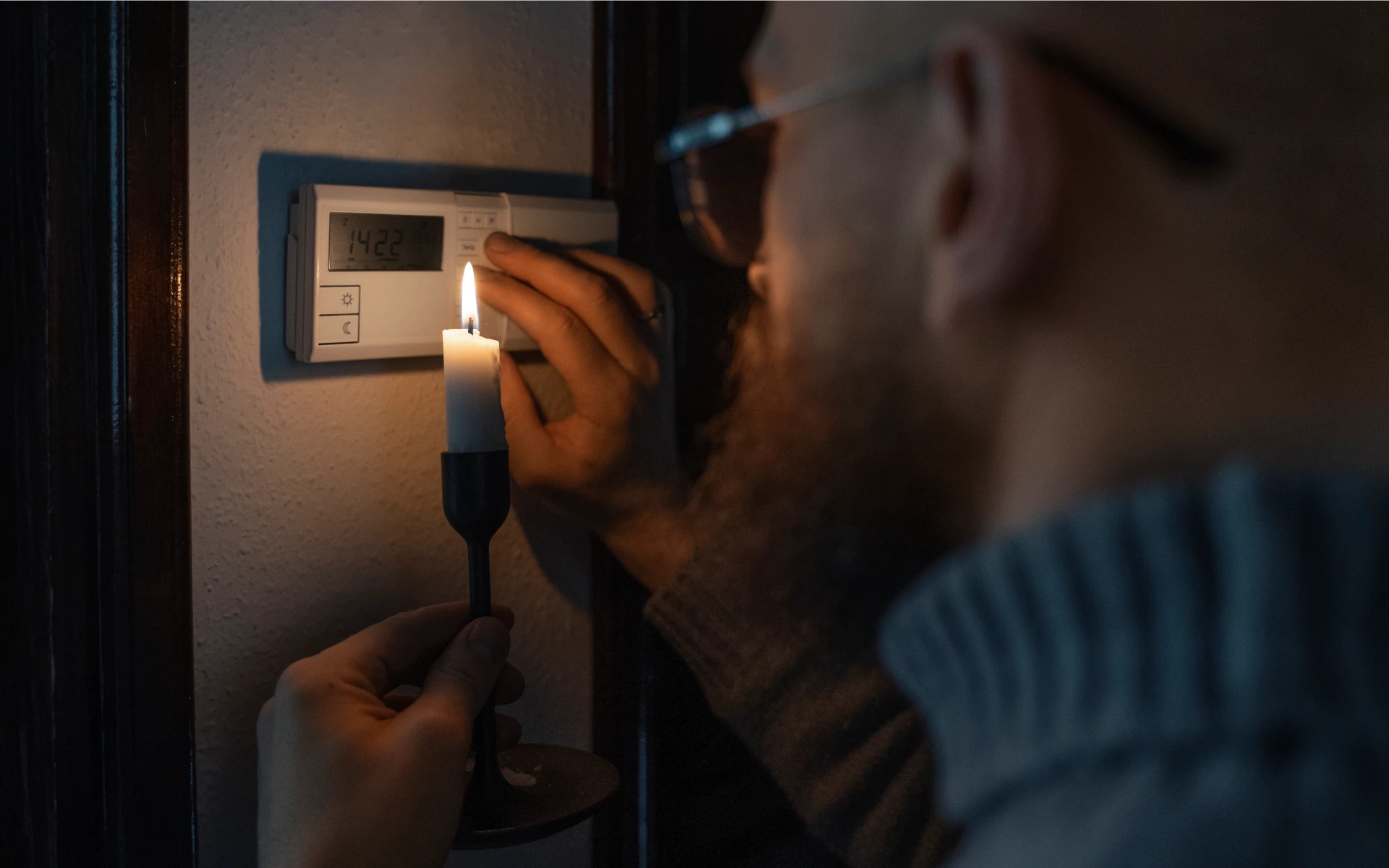
And once the power goes out, everything you rely on comes to a halt.
A generator smooths things out. Heat continues to run when the temperature drops. The AC keeps humidity from turning your place into a sauna. The fridge stays cold, so you’re not tossing groceries. And if you’ve got a sump pump, it keeps doing its job instead of letting stormwater sneak into your basement.
Before making a decision, consider what you want powered during an outage. Around here, many homes have multiple heating zones, bigger appliances, or older systems that draw more electricity than you’d expect. Some households rely on medical equipment. Plenty of people now work from home full-time, so staying powered isn’t just about comfort anymore.
Check the wattage and select the size generator that suits your needs.
Choosing Between Portable and Standby Generator Systems
“Do I get a portable generator or go all in on a standby system?”
It depends on what kind of protection you want.
Portable generators are the simpler option. They’re handy, less expensive, and great when you just want to keep the basics running. For occasional outages, they get the job done.
Standby generators, though, feel like a whole different experience. They turn on by themselves, usually within seconds, and they don’t quit unless fuel does. They can support heating systems, cooling, and even whole-home power if sized correctly. Because they use natural gas or propane, they’re built for longer outages. And let’s be honest, in some New Jersey neighborhoods, a “short” outage can mean anything from an hour to half the day.
Fuel Choices for New Jersey Homeowners
Natural gas provides a steady fuel source for extended outages and connects directly if you have a gas line, making it less of a concern during prolonged storms; however, it requires existing infrastructure. Propane stores easily on-site, works well in rural homes or areas without gas service, and lasts a long time; however, you need to monitor tank levels and coordinate refills. Gasoline is readily available for portable generators and is simple to store in small amounts. However, the supply can dry up at stations during major storms, and it requires safe handling due to its flammability and shorter shelf life.
Each choice comes with pros and cons. The right one usually depends on where you live and how you expect to use your generator. Once you know your fuel source, you’re ready to consider how installation factors will influence your decision.
Installation Factors To Consider
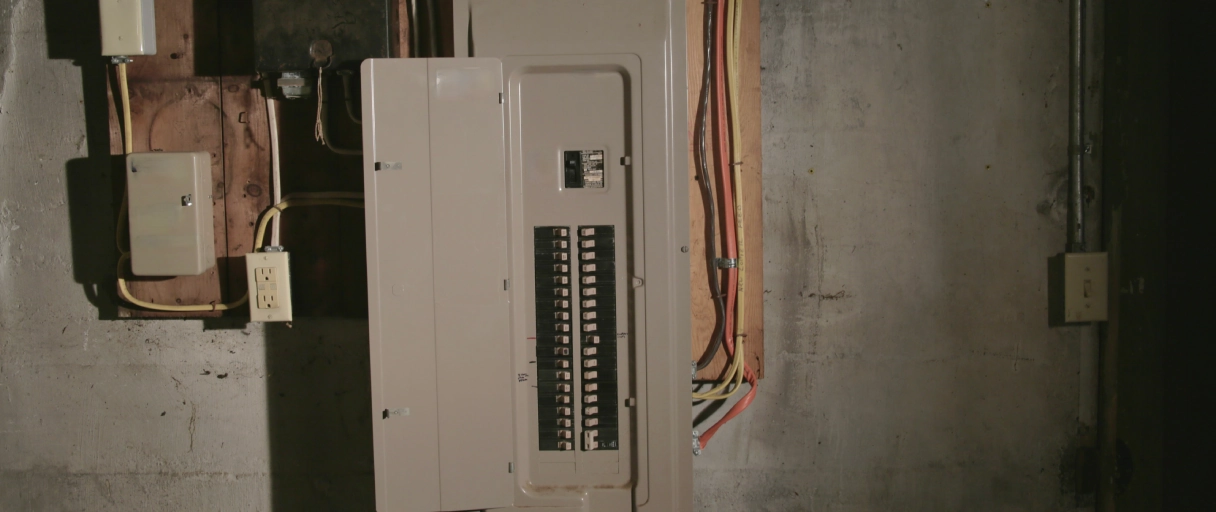
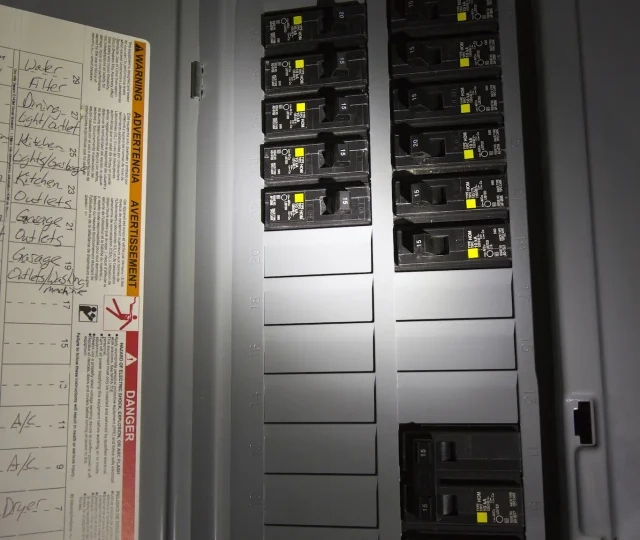
Proper standby generator installation in New Jersey requires adhering to local codes for placement and safety. An electrician connects it to a transfer switch, allowing your home to switch between grid and generator power. Factors such as property layout, gas lines, and the location of your electrical panel determine where the unit is placed.
Maintenance and Generator Performance
Generators, like any mechanical device, appreciate a little attention. Oil changes, new filters, and routine checks go a long way. Standby units usually run regular self-tests, which is helpful because they indicate if something needs attention before a storm arrives. Portable models benefit from a quick look-over before heavy weather hits. Keeping the area clean and clear helps the unit function properly and prevents small issues from escalating into larger problems.
A small amount of maintenance now can often save you from a headache later. Still, before you commit, cost is another factor worth considering.
Costs You Should Consider Before Buying
When people consider the cost, they typically focus on the generator itself. But the full price includes installation, permits, and fuel. Portable units cost less but only cover essentials. Standby systems are a more significant investment, but they provide full-house protection without requiring you to lift a finger when the power cuts.
If you’ve ever lost food during an outage or worried about pipes freezing during a cold snap, you already know that a generator can pay for itself in avoided headaches. It’s really about deciding what level of stability you want during the storms and grid issues we see here so often.
Think about your home’s layout, your heating system, your appliances, and the comfort level you want during an outage.
Schedule Your Generator Installation with JAXSL
JAXSL’s licensed electricians install, size, and connect generators safely and in full compliance with New Jersey codes.
Contact us at 844-452-9538 or online to receive a quote.
FAQs
How long can a home generator run during an outage?
It really depends on the generator, your fuel source, and how much you’re powering. Your daily habits play a big part in that equation.
What generator size works for most New Jersey homes?
It varies. Different homes have different essentials. Heating systems, cooling, and heavier appliances can shift your needs more than you’d expect.
Can I use a generator during severe storms?
Yes. Most systems are designed for use in harsh weather conditions. The key is to follow safety steps and provide the equipment with the space and protection it needs.